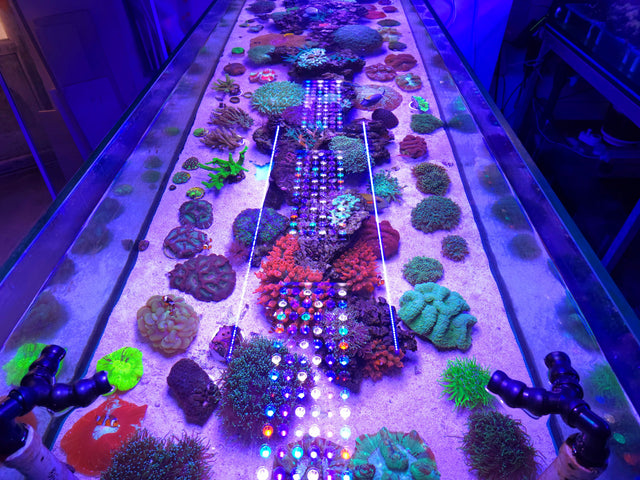
Tectus snails, often called turban snails or pyrmaid snails, are marine gastropods known for their distinctive, conical shells. They are found in various parts of the Indo-Pacific Ocean and are a common sight in saltwater aquariums.
Here's a more detailed description:
Shell:
Shape: Conical, sometimes with a pyramidal or turreted appearance.
Color: Typically whitish, grayish, or yellowish, often mottled or marbled with green or brown.
Surface: May have fine oblique wrinkles, spiral rows of beads, or radiating tubercles (rounded protuberances).
Base: Flat and often lirate (marked with concentric ridges).
Aperture: Transverse and rhomboidal (diamond-shaped).
Whorls: Can have 9-14 whorls, which are the spirals of the shell.
Size: Varies between 17 mm and 50 mm,
Other features:
Columella:
A short, vertical structure with a spiral fold, which is a thickening of the shell on the inner wall.
Habitat:
Live in the intertidal zone and shallower waters, often found in holes and crevices of reefs.
Diet:
Herbivorous, feeding on algae and biofilms on rocks and coral reefs.
In aquariums:
Useful for algae control, especially for cleaning live rock and aquarium glass.
Variations:
Different species of Tectus snails exhibit variations in shell color, surface texture, and other features
Nassarius snails are small, carnivorous marine snails with a distinctive, oval-shaped, spiral shell. They are known for their efficient scavenging of detritus, uneaten food, and other organic waste, and are helpful in cleaning up and aerating aquarium substrates.
Key features of Nassarius snails:
Appearance:
They have a small, oval shell, often tan or brownish in color. They also possess a long, tube-like siphon that protrudes from the sand when feeding.
Behavior:
Nassarius snails are burrowers, spending most of their time under the sand and emerging when food is detected. Their burrowing helps to aerate the sand bed, which is beneficial for maintaining a healthy aquarium.
Diet:
They are scavengers that feed on detritus, decaying organic matter, uneaten food, and fish waste. They do not consume algae.
Benefits:
Nassarius snails are valuable additions to a clean-up crew in aquariums. They help to remove waste, aerate the substrate, and maintain a healthy environment.
Care:
They are relatively easy to care for and thrive in well-established reef tanks with a deep sand bed. They require a stable environment and a varied diet, including sinking pellets and occasional meaty foods.
Trochus maculatus, or the maculated top shell, is a marine snail with a solid, conical shell that reaches up to 7 cm in length. Its shell is characterized by spiral rows of beads and axial streaks of color, while the base is marked with radiating streaks or spots. It lives in rocky shores, coral reefs, and subtidal zones of the Indo-Pacific region, where it feeds on algae.
Morphology
Shell: Conical, solid, and heavy, with a flat base.
Whorls: Approximately 9-10 whorls that are flat or slightly concave, with a beaded spiral sculpture.
Periphery: The body whorl is carinated (angled) and can be spinose.
Coloration: The upper surface is typically patterned with longitudinal stripes or flames of brown, purplish, or reddish color on a lighter background. The base is marked with radiating streaks or spots, sometimes in a zigzag or finely tessellated pattern.
Aperture: The inside of the aperture is white and lirate (lined).
Habitat and diet
Location:
Found in rocky shores, coral reefs, and subtidal zones throughout the Indo-Pacific region.
Diet:
Primarily herbivorous, it grazes on film algae, diatoms, and other types of algae.
Other characteristics
Size: Can grow up to 7 cm, though sizes often range from 3-5 cm.
Body: Has a large foot and long tentacles.
Economic importance: Harvested for food and its shell, which can be used for things like buttons.
Двойка Nemateleotris magnifica (огненоподобно попче) обикновено се състои от един мъжки и една женска, често срещани да се реят близо до входа на дупка, като мъжкият пази яйцата, докато се излюпят. Мъжкият и женската са сходни на външен вид, но удълженият първи гръбначен шип на мъжкия може да е малко по-изпъкнал.
Специфични характеристики:
Външен вид:
Огненобялото попче е известно с отличителното си оцветяване: перленобяла предна половина, преходяща в оранжево-червена задна половина, и тъмночервена опашка. Първият гръбен шип е силно удължен и бял.
Поведение:
Те обикновено са мирни риби и прекарват по-голямата част от времето си, окачени близо до убежище, често дупка, чакайки малка плячка да се носи по течението.
Поведение на двойките:
В дивата природа те често живеят по двойки или малки групи, реейки се над рифа и активно ловувайки храна.
Диета:
Те са месоядни, хранят се със зоопланктон, малки безгръбначни, а в аквариуми лесно приемат саламура, скариди мизис и приготвени морски храни.
Price per polyp
Candy Cane coral or Caulastrea, is a popular, beginner-friendly large polyp stony (LPS) coral, characterized by its bright green, trumpet-shaped polyps. These polyps grow in clusters from a branching skeleton, creating a visually appealing structure. They are known for their hardiness and ability to add a vibrant pop of color to reef aquariums.
Key characteristics:
Appearance: The coral has a branching skeleton with trumpet-shaped polyps that are typically a vibrant neon green.
Polyp Structure: Each polyp has a central mouth surrounded by tentacles, and they can expand significantly, sometimes resembling a closed brain coral.
Hardiness: Green trumpet corals are considered hardy and relatively easy to care for, making them a good choice for beginners.
Lighting and Flow: They generally thrive under moderate lighting and moderate water flow.
Aggression: They have short sweeper tentacles, but are generally considered peaceful and can be placed near other corals, provided there's enough space to prevent them from touching.
Growth: They tend to grow at a moderate pace, forming dense colonies over time.
Water Conditions: Stable water conditions with appropriate levels of calcium, strontium, and other trace elements are important for their health.
In summary, the green trumpet coral is a visually appealing and relatively easy-to-care-for coral, making it a popular choice for reef aquarists of all experience levels.
The Trochus histrio, commonly known as the Banded Trochus Snail, is a marine snail with a pale gray, pyramid-shaped shell adorned with maroon bands. It's a popular choice for reef aquariums due to its algae-eating habits and peaceful nature. These snails are reef-safe, coexisting well with most marine species, and are particularly effective at controlling film, diatom, and hair algae.
Here's a more detailed description:
Appearance:
Shell: The shell is pale gray, pyramid-shaped, and often has maroon bands or stripes.
Size: They are relatively small, typically reaching up to 1.5 inches in length.
Foot: The foot is black, and the underside is off-white/tan.
Behavior and Diet:
Algae-eating:
Trochus histrio snails are herbivores, primarily feeding on various types of algae, including brown, green, hair, and filamentous algae.
Cleaning:
They actively forage for algae on live rocks, glass, and other surfaces, helping to maintain a clean aquarium environment.
Peaceful:
They are peaceful snails and coexist well with most reef aquarium inhabitants.
Supplementation:
In aquariums with limited algae, it's beneficial to supplement their diet with algae wafers or nori sheets.
Care and Maintenance:
Water Parameters:
Maintain stable water conditions with temperatures between 72-78°F (23-26°C), pH levels of 8.1-8.4, and salinity around 1.023-1.025.
Acclimation:
Introduce them to the aquarium gradually using a slow drip acclimation process over 1-2 hours.
Tank Size:
They are suitable for nano tanks or larger setups, with a sandy substrate and rockwork for grazing.
Compatibility:
They are reef-safe and generally compatible with most marine species, but should be avoided with predatory creatures like pufferfish, triggerfish, or aggressive wrasses
Price per 1 polyp
Ricordea florida, a type of corallimorph, is a popular and hardy "false coral" known for its bright colors and ease of care in saltwater aquariums. They are characterized by a small, disc-like body with short, bubble-like tentacles and come in various shades of purple, orange, green, blue, and yellow. While they are not true corals, they are still considered a popular addition to many reef tanks.
Key characteristics of Ricordea florida:
Appearance: They have a disc-like body with a smooth, sometimes ruffled edge, and a central oral disk where the mouth and tentacles are located.
Tentacles: Short, rounded tentacles cover the body, and these can be various colors, including the mouth.
Coloration: They exhibit a wide range of colors, including purple, orange, green, blue, and yellow.
Ease of Care: Ricordea florida is known for being easy to care for, making it suitable for beginners.
Habitat: They are native to the Caribbean and are found in shallow, turbid waters.
Feeding: They are primarily suspension feeders and can also photosynthesize, making them relatively easy to maintain.
Growth and Reproduction: They can grow quickly and often reproduce by splitting or budding.
Water Conditions: They prefer a moderate water current and light.
Price per 1 polyp
Discosoma sp. ferugata refers to a specific variety of mushroom coral with a vibrant green color, often described as a "metallic" or "fluorescent" green. They are known for their mushroom-like appearance and relatively low care requirements, making them a popular choice for reef aquariums.
Here's a more detailed description:
Appearance:
Discosoma sp. Electric Green are known for their distinctive green color, often described as a vibrant or metallic hue. They have a disc-shaped appearance and can grow to be quite large, up to 4 inches in diameter, .
Care:
They are generally easy to care for, preferring low to moderate lighting and water flow. They are also relatively tolerant of different water parameters.
Habitat:
Discosoma sp. are naturally found in warm waters throughout the Indo-Pacific, Caribbean, and tropical West Atlantic. They can be found in a variety of reef habitats, including intertidal zones and sheltered reefs.
Feeding:
They primarily feed on the products of their symbiotic zooxanthellae, but can also supplement their diet with dissolved organic matter and particulate matter from the water column. Some may also eat small fish or food particles.
Other notes:
Discosoma sp. are a part of the Corallimorpharia order, which is also related to sea anemones.They are often referred to as "mushroom corals" due to their shape.
price per polyp
Duncanopsammia is a genus of stony coral consisting of a single species, Duncanopsammia axifuga, also known as whisker coral or duncan coral. These corals form colonies of individual polyps with round skeletal bases (corallites) that can be quite large. They are commonly found in the deeper waters of Western and Northern Australia, as well as the South China Sea.
Key characteristics of Duncanopsammia axifuga:
Appearance: The polyps are large and have brightly colored oral discs.
Habitat: They prefer solid objects in sandy areas.
Lighting: They thrive under low to moderate lighting.
Water Quality: They need high pH, alkalinity, and calcium levels, along with low phosphate and nitrate levels.
Feeding: They can rely on symbiotic zooxanthellae algae for photosynthesis and may also benefit from supplemental feeding of meaty marine foods like mysis and brine shrimp.
Temperament: Duncanopsammia corals are generally peaceful and can be housed with other non-aggressive corals and invertebrates, provided they have ample space to grow.
Growth: They are considered a large polyp stony (LPS) coral and can be a good choice for beginners, known for their relatively slow growth rate.
Coloration: They can come in various colors, including vibrant greens.
Tentacles: The polyps have tentacles that can retract and extend, resembling an anemone.
Commensal organisms: They can sometimes host commensal organisms like barnacles.
Defensive Mechanism: Duncan corals can release sweeper/feeder tentacles that can sting and damage other corals.
Flow: They do best with a moderate flow of water.
Zoanthus sociatus, commonly known as Green Sea Mats or Button Polyps, are fast-growing, hardy soft corals from the Caribbean favored by aquarium enthusiasts for their vibrant, often fluorescent, green coloration. They form thick, encrusting colonies on rockwork, preferring strong lighting and moderate to high water flow. They are generally easy to maintain, feeding through photosynthesis and opportunistic consumption of detritus.
Key Aspects of Zoanthus sociatus in the Aquarium:
Care Difficulty: Easy.
Appearance: Small, colonial polyps, typically shades of green, with short tentacles that form mat-like structures.
Lighting: High intensity required to maintain coloration and prevent stretching, though they can adapt to moderate levels.
Water Flow: Moderate to high flow is beneficial to remove waste and provide food.
Feeding: Primarily photosynthetic (zooxanthellae), but benefit from direct feeding of small, planktonic foods.
Growth: Fast-spreading, often covering rock surfaces.
Placement: Generally placed in upper to mid-level areas to receive adequate light.
Toxicity: Like all zoanthids, Z. sociatus contains toxins (palitoxin) that are harmful to health. Use caution, such as wearing gloves, when handling.
Key Considerations for Hobbyists:
Pests: Sensitive to nudibranchs (e.g., Aeolidiopsis harrietae) and Sundial Snails (Heliacus sp.), which should be removed immediately.
Placement: They can grow over other corals, so provide space for them to spread without encroaching on neighbors.
Behavior: They are highly photosynthetic and will generally stay open during the day and close at night.
Frozen mysis is a high-protein, flash-frozen fish food that serves as a nutritious staple for both marine and freshwater carnivorous fish, including seahorses and corals. It is rich in protein, vitamins, and essential fatty acids, and is often enriched to enhance the vitality, coloration, and immune system of fish. Because it is flash-frozen shortly after harvest, it retains its natural look and nutritional value without artificial preservatives.
Key features
Nutritional profile: High in protein, with a good balance of fats, vitamins, and minerals. It is a source of omega-3 and other unsaturated fatty acids.
Palatability: Highly palatable, and can entice picky eaters. It is especially popular with seahorses.
Ease of digestion: Easy for fish to digest, which helps with water quality.
Flash-frozen: Preserves nutritional quality and natural appearance.
Processing: Often gamma-irradiated to ensure it is pathogen-free.
Suitability: Suitable for both marine and freshwater species, including fish, corals, and invertebrates.
Feeding instructions
Feed only as much as your fish can consume within a 2-5 minute period.
It is best to feed small amounts multiple times a day to mimic natural grazing behavior.
Avoid thawing the cubes before feeding; the food will defrost in the water.
Remove any uneaten food promptly to help maintain water quality
Frozen artemia, or brine shrimp, is a highly nutritious, frozen food source for a wide range of aquarium fish, including tropical, marine, and some coldwater species. It is rich in protein, omega fatty acids, vitamins, and minerals, and its small size and high palatability stimulate appetite and aid digestion. Manufacturers flash-freeze the artemia to preserve its nutrients, and it is often sterilized to ensure it is free of parasites and pathogens.
Key features and benefits
Nutritional value:
Rich in protein, essential fatty acids, vitamins, and minerals that support healthy growth and vibrant coloration.
Highly palatable:
Stimulates feeding, even among picky or fussy eaters, due to its natural scent and taste.
Digestibility:
Considered easy to digest, which can lead to reduced waste in the aquarium.
Safety:
Many products are sterilized using gamma irradiation to eliminate parasites and pathogens.
Versatility:
Suitable for a variety of fish, from small fry to larger carnivorous and omnivorous species, and is often used for both freshwater and marine environments.
Convenience:
Often sold in individual cubes for easy feeding, which can be dropped directly into the tank after a quick thaw.
Usage and storage
Feeding:
A small cube is typically dropped into the aquarium, either frozen or slightly thawed, and any uneaten food should be removed after a few minutes.
Storage:
Keep the product frozen. If the package is shipped frozen and partially thaws during transit, it should be refrozen immediately to maintain freshness and quality.